


 Patient Login



Quick Links
What is Trigger Finger?
Trigger finger is sometimes called stenosing tenosynovitis or trigger thumb. The condition involves the pulley system and flexor sheath, which guide the flexor tendons as they move the fingers and thumb; thickening or inflammation of these structures can cause the tendons to catch or lock, especially on the palm side of the affected digit. The flexor tendon sheath surrounds the flexor tendons as they pass along the finger bones, allowing smooth movement of the fingers and thumb, but when the sheath becomes inflamed, movement on the palm side of the hand is impaired. The A1 pulley is the most commonly involved pulley in trigger finger, often becoming inflamed and thickened, and a nodule may form on the affected tendon, making it harder for the tendon to glide through its sheath.
Trigger finger is more common in people between the ages of 40 and 60, and women are more likely to develop it than men. The condition is also associated with diabetes, rheumatoid arthritis, carpal tunnel syndrome, and hypothyroidism. The ring finger and thumb are the most commonly affected digits, but trigger finger can affect any finger or thumb.
Trigger fingers are relatively common but are fortunately treatable with the help of an orthopedic hand specialist.

Before surgery the nurse even played my favorite music for me. Dr. Galli with all his experience put me at ease and ready to go through my surgery. I am healed now and using my hand at almost 100%. Thank you Regional Hand Center.
What are the Symptoms of Trigger Finger?
TTrigger finger symptoms can include:
- Pain or discomfort at the base of the thumb or first finger
- Swelling (sometimes accompanying a cyst)
- Finger stiffness and loss of mobility
- Popping, locking, or catching sensation during movement
- Tender lump
Symptoms often worsen with periods of inactivity, such as in the morning, and may start gradually after heavy or extensive hand use. Most patients present with clicking or locking of the finger, and the classic presentation of popping and locking is typically all that is needed for diagnosis. Assessment of finger motion is important to differentiate trigger finger from other conditions.
In severe cases, the finger may become stuck in a flexed position and may require immediate attention to restore a straight position and normal finger motion.
Untreated and severe trigger digits can ultimately result in an inability to bend or straighten the first three fingers. With the help of Dr. Galli, we can diagnose trigger finger and get you the help you need.
What Causes Trigger Finger?
The tendons of the thumb, first, and middle fingers are able to bend because of flexor tendons. These tendons have linings that surround them and are designed to glide through the sheath without friction. Trigger finger happens because the tendon no longer glides through like it needs to. This can be caused by three factors:
- The tendon swells or enlarges
- The lining becomes thicker
- The tissues covering the lining become thicker
Any of these factors can cause friction and prevent seamless movement of the tendons. When this happens, it can cause pain or stiffness in the fingers.
What Treatment Options Are Available for Trigger Finger?
There are a variety of surgical and non-surgical treatment options for trigger finger.
Non-Surgical Treatment
The goal of non-surgical treatment is to reduce swelling and achieve painless movement. Non-surgical treatments are most effective when used early on in diagnosis. Your orthopedic hand specialist may recommend a combination of splinting at night, anti-inflammatory medications, steroid injections, lifestyle changes, and physical therapy.
Surgical Treatment
Surgery is used in cases where non-surgical treatments don’t work. During surgery, a variety of techniques can be used to allow for more free movement of the tendons at the base of the fingers. In some cases, it might involve removal of some of the tendon or cutting some of the tissue. Your orthopedic hand specialist will discuss the right surgical approach during a consultation. This option is referred to as trigger finger release.
What to Expect After Trigger Finger Treatment
You’ll be given detailed instructions for your surgical recovery or non-surgical treatment plan by your orthopedic hand specialist. While the incision from trigger finger surgery may heal within a few weeks, full recovery of finger motion and tendon movement can take several months, as swelling and stiffness gradually resolve. Most patients experience significant improvement in function and relief from pain after surgery. The most important part of your treatment is making lifestyle adjustments to prevent symptoms from coming back. This includes avoiding activities that repeatedly strain the tendons and managing inflammation if it does recur. Your orthopedic hand specialist can help you determine your possible causes and how to avoid them going forward.
Schedule a Consultation at the Regional Hand Center
Trigger finger is easily treatable with the help of an experienced hand specialist. To schedule a consultation, contact our Fresno, CA office by calling or filling out our online form.
Patient Resources
Whether you are planning a procedure or you are interested in options for treatment, the professional and caring Regional Hand Center team makes it easy to find the answers you need. For an appointment or answers to your questions, call (559) 322-HAND.
View All




Randi A. Galli, MD
Board-Certified Surgeon
Dr. Randi Galli is certified by the American Board of Plastic Surgeons and a Fellow of the American College of Surgeons. A member of Alpha Omega Alpha, the medical honor society that comprises the top ten percent of medical students, Dr. Galli received his Medical Degree from Tulane University School…
Learn More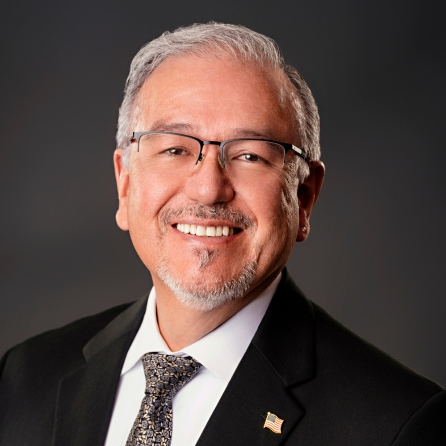
Ricardo Avena, MD
Board-Certified Surgeon
Dr. Ricardo Avena is board certified by the American Board of Surgery and is a Fellow of the American College of Surgeons. Born and raised in Mexico City, Dr. Avena attended medical school at the National Autonomous University of Mexico. Upon graduation, Dr. Avena received his certification from the Educational…
Learn More